Many friends are unaware that there are actually two types of printing: combined printing and independent printing. Below, P&C will explain the differences between the two, so that you can choose the appropriate printing method according to your printing needs.
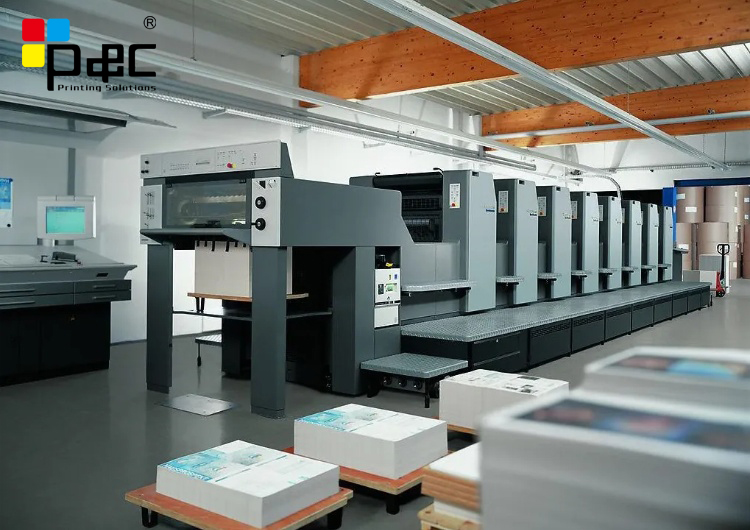
Firstly, let's briefly talk about the difference between independent printing and combined printing. Independent printing refers to the entire set of printed products, the same manuscript from the same customer, and not merged with others, so the printed content has uniqueness and a large quantity.
The printing volume of plywood is small, and the paper is popular. The provided printing files must meet the characteristics of the printing specifications before they can be submitted to the lamination factory, allowing the manufacturer to merge their own manuscripts with those of others and print them together.
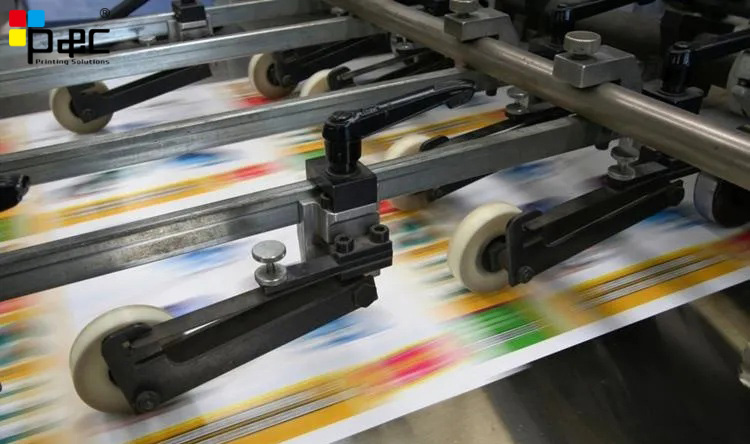
Independent printing takes the path of quality first. Your own printed materials are printed using your own independent plate, without the need to share the plate with others. Therefore, special colors, special paper materials, and specifications can be made according to your needs. Before printing, the printing factory will provide a sample service to let you see if the printed colors meet the customer's needs. You can also follow the machine during printing, and the design file restrictions are also more flexible than combining the plate.
Due to independent plate making, the printing cost needs to cover the plate fee, but the plate fee is fixed. Therefore, when the printing volume is large, the plate fee will be diluted by the quantity, and the more printing, the cheaper. Although independent editions are relatively expensive, designers or brands with high color requirements insist on using specialized editions even if the printing quantity is not large.
In addition, before printing a special edition, simply adjusting the color to meet customer satisfaction and ensure ink stability requires a considerable amount of paper swelling, so it is reasonable that independent printing will be more expensive!
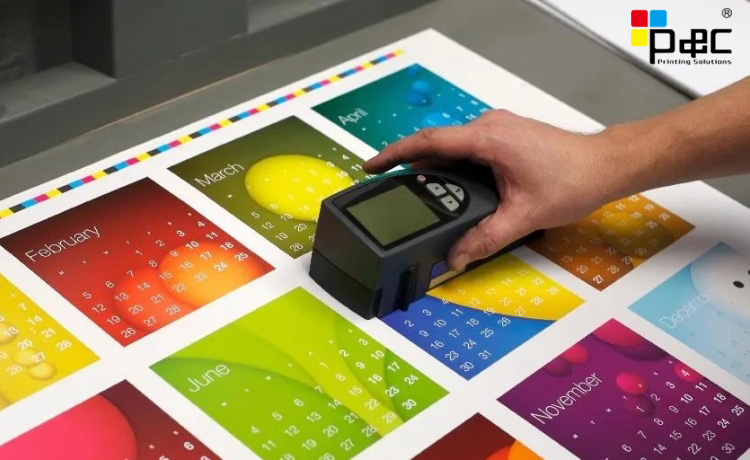
Combined printing follows an economic path, where your files are merged with those of other companies, allowing for a shared cost of printing and achieving the goal of printing in small quantities.
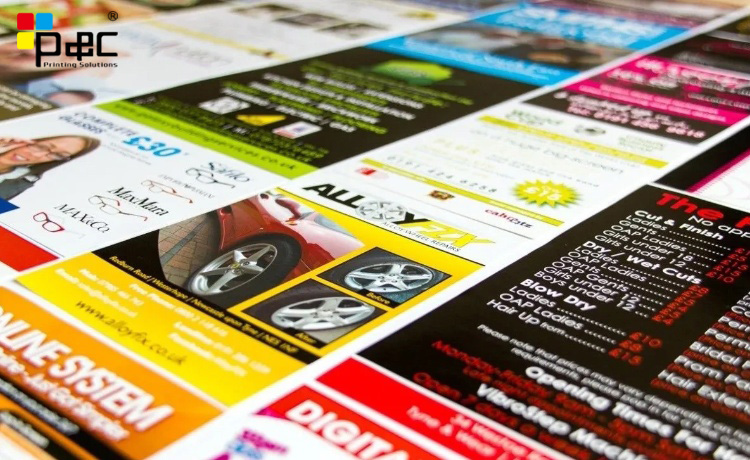
Due to the need to maximize efficiency in plate printing, manufacturers will propose standardized specifications and the best printing quantity for different products such as business cards, flyers, posters, greeting cards, stickers, etc. Only in this way can the printed plates be effectively filled without wasting any space. If you want to make a size or shape that the manufacturer does not provide a corresponding cutting die, you must make an independent plate!
Because the client's design draft is assembled together with other client's design drafts, the design draft may have color differences during printing due to different positions of the upper, lower, left, and right layout. Therefore, the printing master will use the average color tone as the benchmark when grasping colors, so there is usually a 10% error in printing colors. For the same design, color differences may also occur during printing due to different controls from the printing machine, ink, and printer.